What is Krav Maga? Everything you need to know.
Where it came from, how it works, and why New Yorkers with zero martial arts experience get capable faster here than anywhere else.
Book Your First Class · $39Built for ordinary people, not fighters.
Here's why a regular New Yorker with no martial arts background should care about Krav Maga specifically.
It's useful immediately. Krav Maga's founding requirement was that it could be learned quickly and retained easily by almost anyone. You leave your first class knowing more than you walked in with, and it compounds from there.
It works under stress. Techniques build on what your body already does when adrenaline hits, so they're there when you need them, not just in practice. No acrobatics, no choreography, no rules-of-the-ring assumptions.
It's more than physical. Awareness, positioning, and de-escalation come first; the physical skills are the backup plan. Most of what you learn makes ordinary days calmer, which is the version of self-defense you'll actually use.
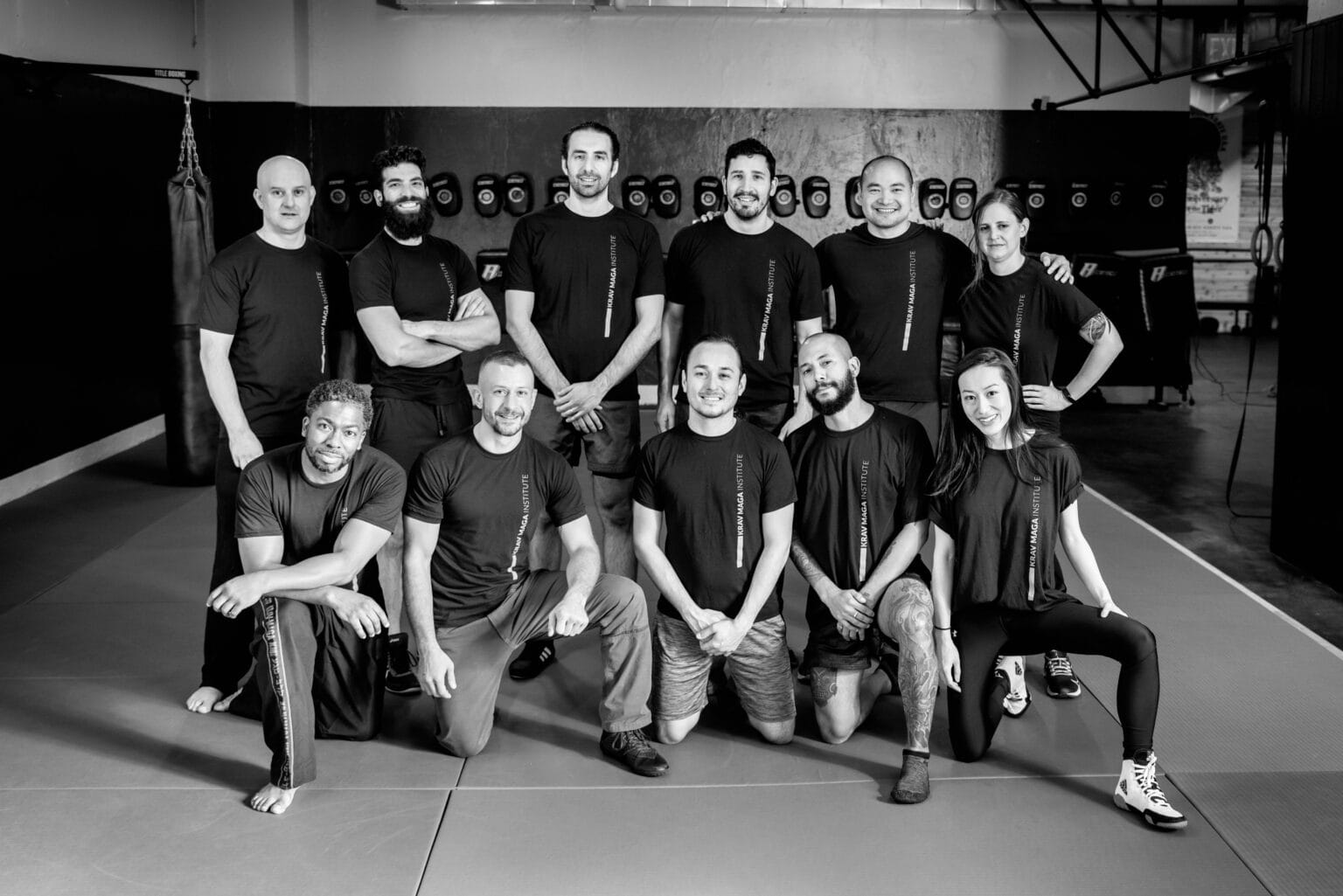
A system, not a style.
Krav Maga takes the most effective techniques from boxing, wrestling, judo, and jiu-jitsu and organizes them around one goal: keeping you safe in real situations. At KMI it's blended with conflict communication, behavioral psychology, physics, and physiology.
Avoidance first
The best fight is the one that never happens. You train awareness, positioning, and de-escalation before anything physical.
Built on instinct
Techniques build on what your body already does under stress, so they come back to you when adrenaline hits, not just in practice.
Simple beats fancy
No acrobatics, no choreography. Every movement is chosen because an ordinary person can learn it fast and use it under pressure.
Any situation
Standing, on the ground, cornered, multiple attackers, armed threats. You train for reality's messiness, not a ruleset.
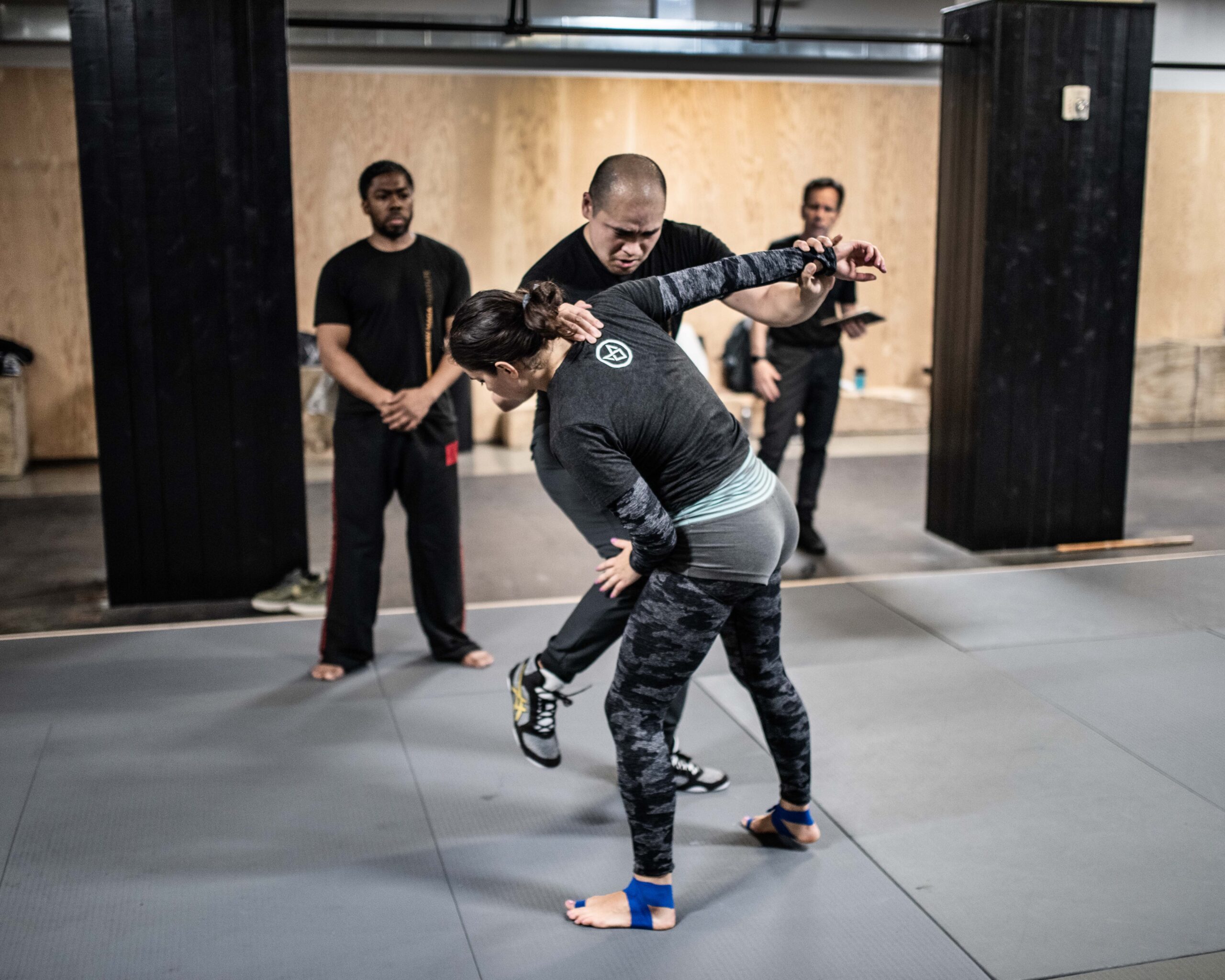
"Contact combat," born from necessity.
Krav Maga means "contact combat" in Hebrew. It wasn't invented in a dojo or for a tournament. It was built on real streets, under real threat.
In the late 1930s, Hungarian-born athlete Imi Lichtenfeld, a champion boxer and wrestler, organized fellow athletes to defend Jewish neighborhoods in Bratislava against fascist gangs. He quickly learned something that changed everything: street violence is nothing like competition fighting. There are no rules, no weight classes, no referee.
So he rebuilt his approach from scratch: a set of principles and techniques that would help almost anyone survive a real attack, and that could be learned quickly and easily retained. That system became Krav Maga, later refined in the Israeli Defense Forces and then adapted for civilians, women, and kids around the world.
You don't wait years before learning something useful.
Traditional martial arts are beautiful disciplines, but most were shaped by sport rules or ceremony. Krav Maga was engineered to be useful from your first class, because its first students needed it to work immediately. Mastery still takes consistent training; usefulness doesn't wait for it:
| Discipline | Usable self-defense | Typical time to advanced level | Optimized for |
|---|---|---|---|
| Krav Maga at KMI | Your first class | ~40 months to black belt* | Real-life safety |
| Brazilian Jiu-Jitsu | 6-12 months | 8-12 years to black belt | Ground competition |
| Karate / Taekwondo | 1-2 years | 4-6 years to black belt | Forms & point sparring |
| Boxing / Muay Thai | 6-12 months | No belt system | Ring competition |
*Training 2 to 3 classes per week through the graded P1 to P5 curriculum and the Black Belt Program. Typical ranges for other disciplines are averages across reputable schools; individual schools vary. The point isn't that other arts are bad. It's that they optimize for sport or tradition, and Krav Maga optimizes for you being safe as soon as possible.
You leave with something
Your induction covers real fundamentals: stance, movement, striking, and the mindset of awareness. Usable on the walk home.
The Foundation curriculum
Twelve months from beginner to adept practitioner: strikes, defenses, ground survival, multiple attackers, and conflict communication.
The Black Belt Program
Advanced and invitation-based, for committed students. Around 40 months of consistent training separates day one from black belt, not a decade.
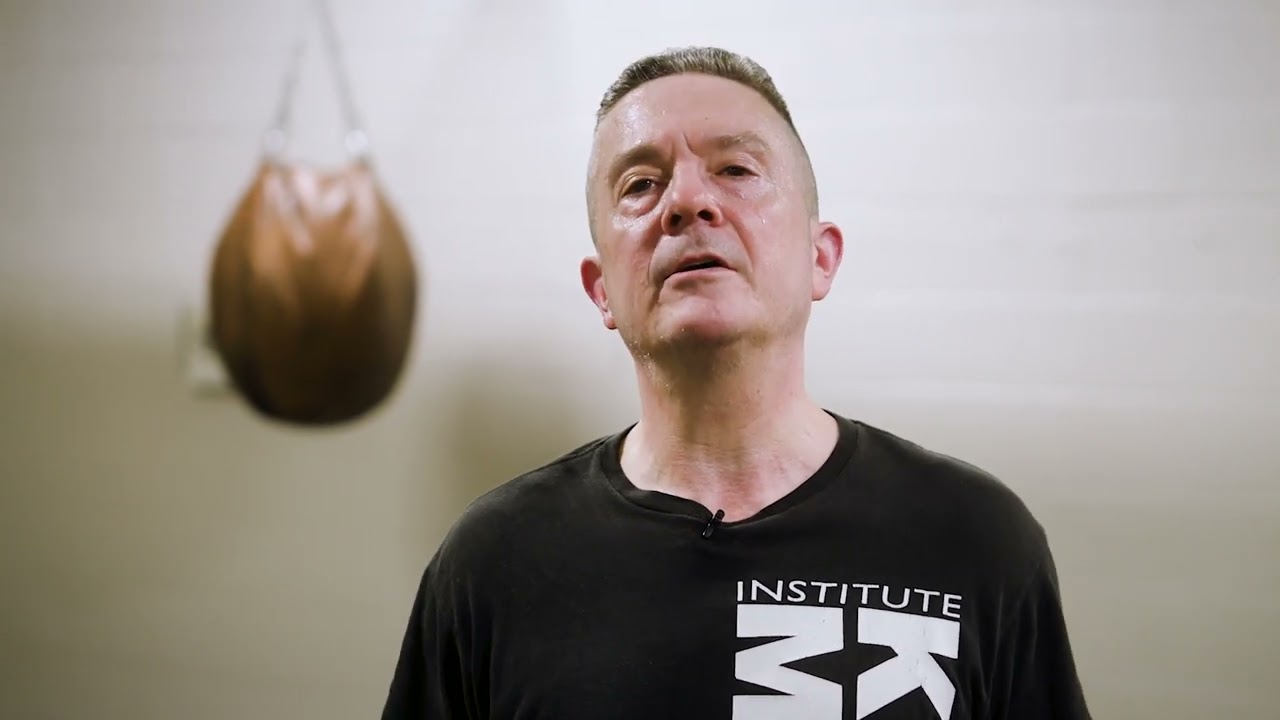
See the system in motion.
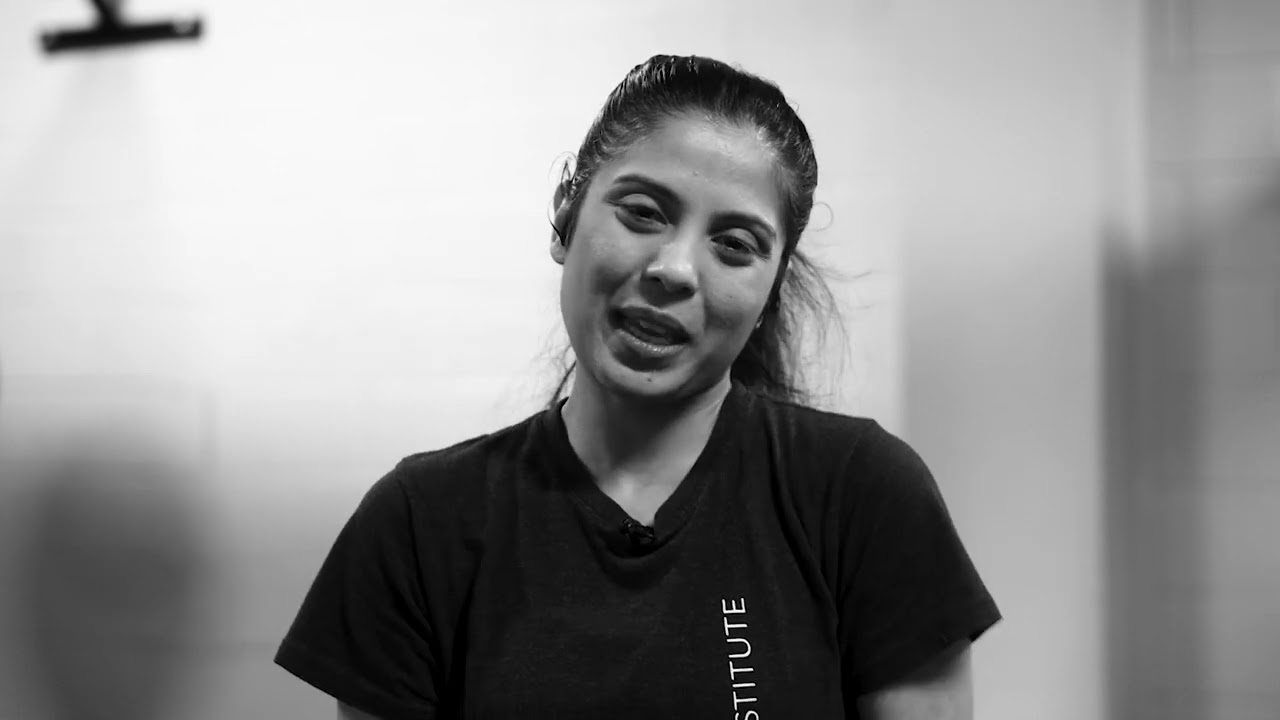

Career instructors, not weekend certifications.
A Krav Maga instructor diploma, whether KMI, IKMF, KMG, or another reputable body, isn't enough on its own to teach at KMI. Every instructor is interviewed, background-checked, tested on both skill and teaching ability, then serves a two-year supervised probation with mandatory continuing education and a licensed minimum of ongoing teaching hours. Lead instructors carry 10 to 30 years of experience and are vetted at the highest levels in Israel and the US.


Still curious? Good.
Is Krav Maga effective in real situations?
It's the only widely-taught system designed exclusively for real situations rather than sport. Many KMI instructors spent decades in other martial arts first, and teach Krav Maga because it's what they'd actually rely on. That said, the honest answer is that the biggest win is never needing it: the awareness and de-escalation you learn prevent far more harm than any technique.
Do I need to be fit or have experience?
No. Krav Maga was explicitly designed so "almost anyone" could learn it: that was Imi Lichtenfeld's founding requirement. Classes scale to your level, and fitness builds as a side effect of training.
Is there sparring? Will I get hurt?
Training is realistic but controlled and progressive. You drill with partners at intensity that matches your level, with professional instructors supervising. Beginners are never thrown into advanced scenarios.
What's the difference between KMI and other Krav Maga schools?
Instructor standards and community. KMI instructors pass years of vetting and a two-year probation; membership is capped at 250 so classes stay personal; and the curriculum blends physical technique with conflict communication and behavioral psychology, not just striking drills.
Is self-defense legal in New York?
New York law permits proportionate force when you reasonably believe you're facing a credible threat of harm. KMI training emphasizes awareness, avoidance, and de-escalation first, which is both the safest approach and the legally soundest one. Nothing here is legal advice; the training itself covers these principles in depth.
One class will teach you more than a hundred articles.
You don't get fit enough to start Krav Maga; you start, and get fitter. Book a 75-minute induction: all beginners, real skills, and your $39 credits toward joining.
Book Your First Class · $39